
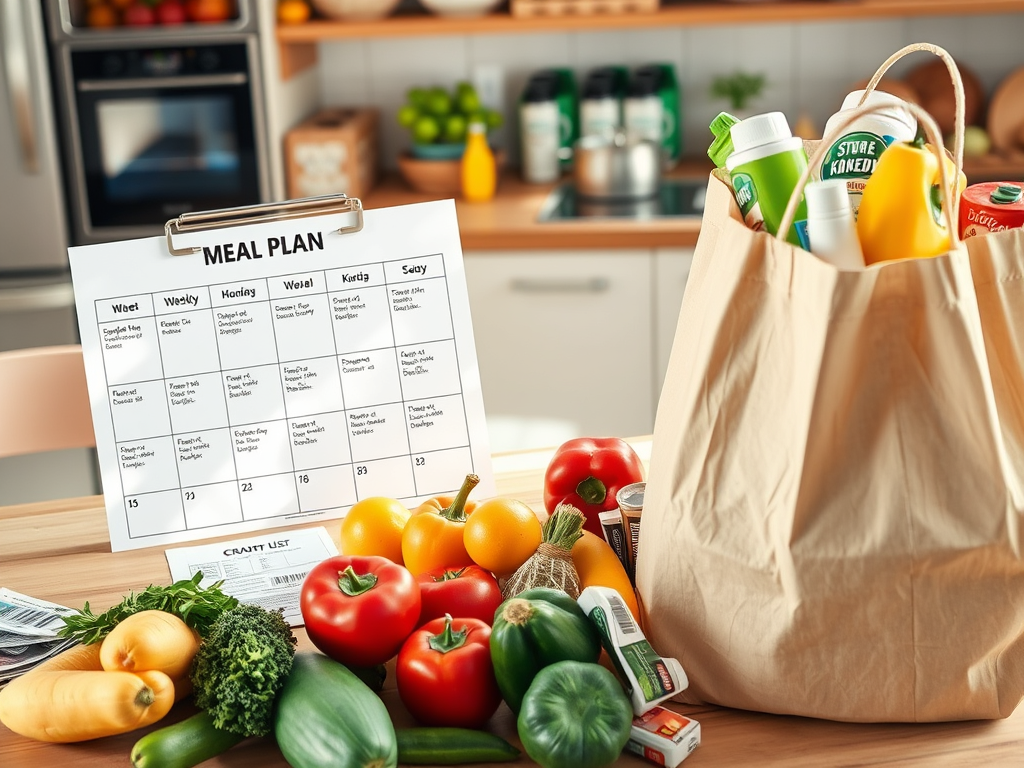
In today’s economy, where inflation is skyrocketing and incomes are strained, discovering ways to save on groceries has become more essential than ever. Drawing from my own experiences in budget management, I want to share three effective strategies that have empowered me to extend my grocery budget. These approaches are both straightforward and impactful, enabling you to feed your family without overspending.
1. Meal Planning: The Backbone of Budget-Efficient Cooking
Why It Works: Meal planning is foundational because it allows you to plan every meal for the week, reducing the likelihood of impulse purchases and food waste. By knowing exactly what you need, you avoid buying unnecessary items and make the most out of your ingredients.
How To Implement It:
- Plan Your Meals: Start by listing meals for each day of the week. Consider using a rotation system or focusing on recipes that use similar ingredients to minimize waste.
- Create a Shopping List: Based on your meal plan, write down everything you need. This list becomes your guide at the store, helping you stay on track and avoid temptation.
- Shop with Purpose: Stick to your list and resist the urge to buy extra items. This practice not only saves money but also reduces the time spent shopping.
Anecdote: I remember a week where I didn’t plan my meals. I ended up buying too much, and by the end of the week, some produce had gone bad. Since then, meal planning has been non-negotiable for me, cutting down food waste and saving money.
2. Couponing: Maximizing Savings with Every Purchase
Why It Works: Coupons can significantly reduce your grocery bill if used correctly. They offer substantial discounts, allowing you to save on essential items without compromising quality.
How To Implement It:
- Sign Up for Mailing Lists: Many stores and brands send coupons via email or physical mail.
- Use Coupon Apps: Apps like Honey, Ibotta, or Rakuten help track digital coupons and offers cashback.
- Stack Coupons: Combine manufacturer coupons with store-specific deals to maximize savings. For example, using a coupon on an item that’s already on sale can give you an extra discount.
Anecdote: There was a time when I found a $1 coupon for spaghetti sauce. I combined it with a store sale where the same jar was 30% off, saving me almost 50% on that purchase. It’s these little wins that add up over time.
3. Opting for Generic or Store-Brand Products: Quality Without the Price Tag
Why It Works: Generic brands often offer the same quality as their name-brand counterparts but at a lower cost. This switch can save you money without sacrificing taste or safety.
How To Implement It:
- Compare Prices: Check the price per unit of both generic and brand-name products to see which offers better value.
- Experiment Gradually: Start by switching one item at a time, especially for non-perishables like rice or flour, where the difference is usually significant.
- Stock Up During Sales: Buy larger quantities of generics when they’re on sale to maximize savings.
Anecdote: I once hesitated to try a store-brand cereal because I thought it wouldn’t be as good. After trying it, my kids didn’t notice any difference, and we saved $2 per box. Since then, we’ve expanded our generic choices, saving hundreds annually.
Conclusion: Persistence and Adaptability Are Key
Saving money on groceries isn’t just about using coupons or meal planning; it’s about adopting a mindful approach to shopping and consumption. By combining these strategies, you can significantly reduce your grocery expenses while still enjoying delicious and nutritious meals. Remember, every small saving adds up, and with persistence, you can navigate this economic climate confidently.
 Big Orbits
Leave a comment