
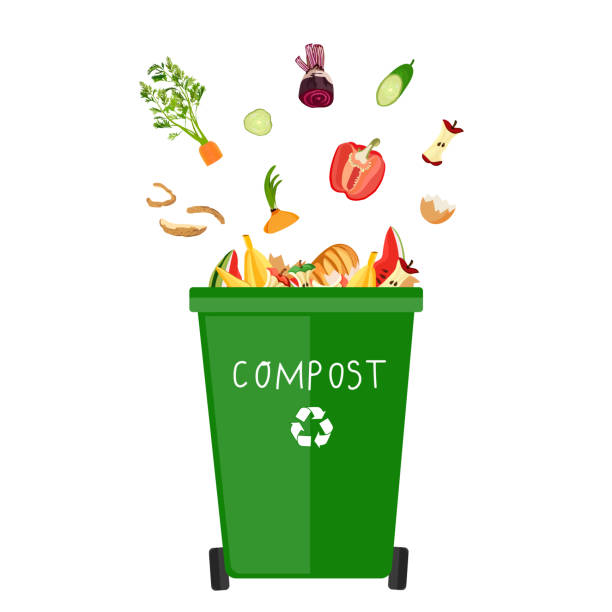
Last year, I embarked on my composting journey, and it has been an eye-opening experience that I’m eager to share. As I delved into the world of composting, I was initially overwhelmed by all of the information and opinions online, let alone all the different options for compost bins and other products I never knew existed! But once I started actually doing composting, even with just a few kitchen scraps to see what would happen, I realized how simple it really was. I discovered not only the environmental benefits but also the joy of transforming organic waste into nutrient-rich soil for my garden. It’s a simple practice that aligns with sustainable living and reduces landfill waste, while nurturing our plants.
For anyone considering starting their composting adventure this year, I’d like to pass along some of the insights and tips I’ve gathered along the way. Whether you have a spacious backyard or just a small balcony, composting can be adapted to suit your needs. Let’s explore the basics together, making it easier for you to dive into this rewarding activity!
Understanding Composting
- What is Composting?
Composting is the natural decomposition of organic materials under controlled conditions to produce a dark, crumbly substance known as compost. This process mimics nature’s own recycling system, where microorganisms break down organic matter into a form that plants can easily absorb. - Why Compost?
Composting reduces landfill waste, lowers greenhouse gas emissions, and creates a natural fertilizer for your garden. It’s an excellent way to recycle kitchen scraps, yard clippings, and other organic materials.
Getting Started with Composting
- Choosing the Right Location
Select a dry, shaded area near your kitchen or backyard. Ensure it’s accessible but not too conspicuous. A small bin or pile works well for apartments or limited spaces. - Selecting Your Method
There are several composting methods to suit different needs:- Bin Composting: Uses a container like a plastic bin or wooden pallets.
- Pile Composting: A free-standing heap, ideal for larger yards.
- Vermicomposting: Involves worms (vermiculture) and is great for indoor composting.
- What to Include in Your Compost
Add a mix of “green” materials (nitrogen-rich) like kitchen scraps, grass clippings, and fresh leaves, and “brown” materials (carbon-rich) such as dry leaves, cardboard, and straw. Layer these materials alternately for optimal decomposition. - Avoiding Problematic Items
Keep out meats, dairy products, diseased plants, and pet waste to prevent pests and contamination.

Maintaining Your Compost Pile
- Moisture Levels
Check the compost regularly and keep it moist but not waterlogged. If it’s too dry, sprinkle with a hose; if too wet, add dry brown materials. - Aeration
Turn the pile with a pitchfork or shovel every 1-2 weeks to aerate it. This introduces oxygen, which is essential for microbial activity. - Temperature
A healthy compost pile generates heat as microorganisms break down organic matter. Monitor the temperature; it should ideally range between 130°F and 150°F (54°C to 65°C) for effective decomposition.
Troubleshooting Common Issues
- Smelly Compost:
This usually happens if there’s too much green material or insufficient aeration. Add more brown materials and turn the pile more frequently. - Pests:
Deter pests by avoiding meat, dairy, and fatty foods. Use a tightly fitting lid or cover your compost with a layer of leaves. - Compost Not Decomposing:
Check for proper moisture levels and ensure adequate aeration. Add water or turn the pile if it’s dry or compacted.
Harvesting Your Compost
- Once your compost is ready (after several months), sieve out any uncomposted materials. Use the resulting nutrient-rich soil to amend garden beds, potting mixes, or as a mulch layer.
The Benefits of Composting
- Environmental Impact: Reduces landfill waste and methane emissions.
- Soil Health: Enriches soil structure, improves drainage, and enhances microbial activity.
- Cost Savings: Eliminates the need for synthetic fertilizers.
- Sustainability: Contributes to a circular economy by transforming waste into a valuable resource.
Composting is a simple yet impactful way to contribute to environmental sustainability while enhancing your gardening efforts. With proper care and attention, you can create a thriving compost pile that benefits both your garden and the planet. Happy composting!
 Big Orbits
Leave a comment